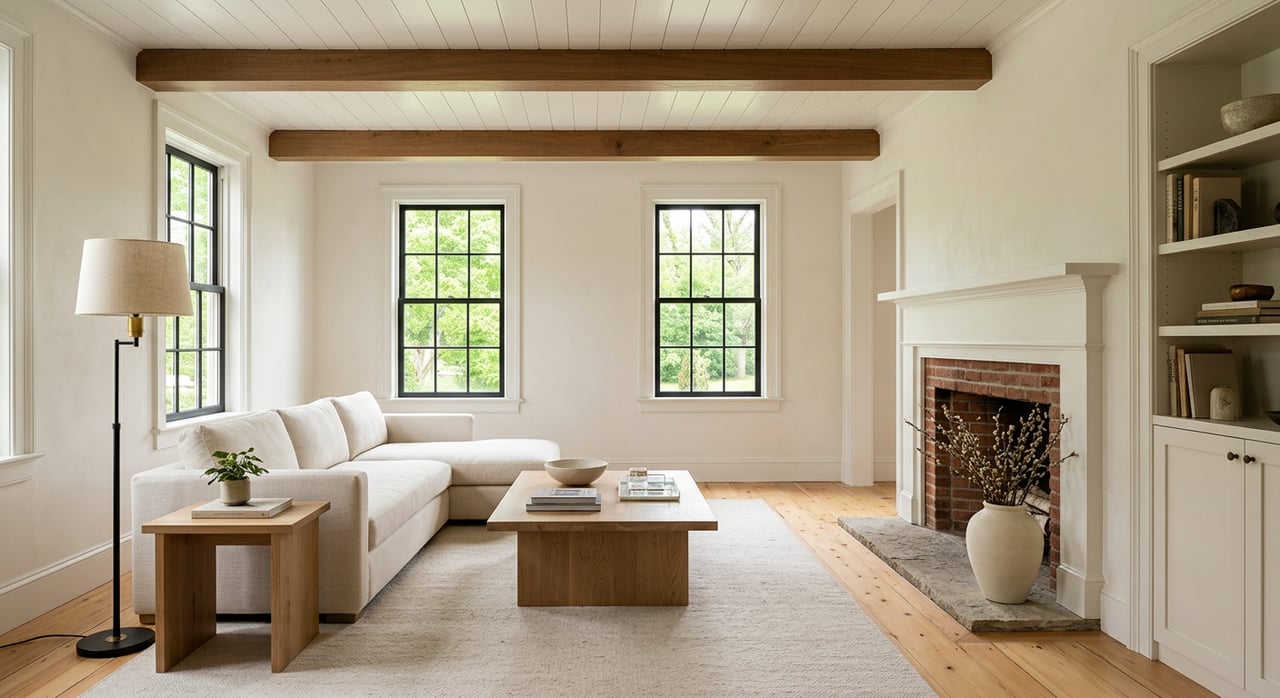
Explore Macon GA Historic Neighborhoods With Lasting Value
March 24, 2026
March 24, 2026
Craving a home with soul that still checks today’s comfort boxes? If you love original woodwork, wide front porches and streets with a story, Macon gives you that charm with practical value. Many in-town neighborhoods offer updated kitchens and baths inside historic architecture, often close to downtown. In this guide, you’ll see where to look, what to weigh and how to buy with confidence. Let’s dive in.
Macon-Bibb has multiple listed historic districts, from grand early suburbs to compact bungalow pockets. That depth of historic fabric is a real advantage if you want character near the city center. You can explore the breadth of neighborhoods on the Historic Macon Foundation’s overview of Macon’s National Register districts.
Prices remain approachable compared with many metros. Recent sources placed Bibb County’s median sale price in the high $100s in early 2026. Exact numbers move month to month. The takeaway for you is simple. You can often find a modernized interior at an in-town price that compares well to newer outer-ring homes. Verify current figures with fresh MLS data before you write an offer.
Preservation has also powered renewal here. The Historic Macon Foundation and partners have guided rehabilitation and compatible infill across several neighborhoods, proving that “old home charm + new systems” can go hand in hand. See the Foundation’s neighborhood revitalization work for examples and context.
Lifestyle matters too. The most walkable Macon pockets cluster around downtown, the College Hill Corridor and Tattnall Square. That means you can live near restaurants, venues and parks while keeping your commute short. Expect most drives from the neighborhoods below to land in a 5 to 20 minute range depending on the block and time of day. Test your route at your typical commute time.
If you picture tree-lined avenues and a mix of Queen Anne, Colonial Revival and Craftsman homes, you’re picturing Vineville. It sits roughly 1 to 1.5 miles northwest of downtown, so getting into the city core is quick. The area has a long preservation track record and an engaged community presence. Explore local context through the Vineville Neighborhood Association.
What you’ll love: intact character, plenty of tasteful rehabs and access to parks and the College Hill area. Many homes here pair period details with updated kitchens and baths. Walkability varies block to block, so plan a few strolls and drives before you decide.
Buyer notes:
The College Hill Corridor links Mercer University to downtown over two square miles. Beall’s Hill, nearest to Mercer and Tattnall Square Park, has seen major reinvestment and compatible infill. Read the background from the College Hill Alliance to understand the anchors that shape daily life here.
What you’ll love: walkability to Mercer Village, parks and downtown venues. Housing options range from restored single-family homes and duplexes to lofts and newer infill. It’s a natural fit if you value a short, simple commute and a lively calendar of nearby events.
Buyer notes:
Pleasant Hill is a historic in-town neighborhood with deep cultural roots and homes dating back to the 1870s. You’ll find smaller homes with character details, many within a brief drive of downtown and cultural landmarks. Learn more about the district on the Historic Macon Foundation’s districts overview.
What you’ll love: value-oriented pricing compared with some peer districts, plus ongoing community-focused projects. If you’re seeking a modest-size home that you can make your own, Pleasant Hill often pencils out.
Buyer notes:
These historic districts developed from the late 19th century into the early 20th century and offer a large stock of smaller Victorians, Craftsman homes and bungalows near downtown. Planning materials from Macon-Bibb document their development history and revitalization context, which can help you understand long-term trends. See the 2050 Comprehensive Plan for background on neighborhood conditions and investment patterns in the area via Macon-Bibb Planning & Zoning.
What you’ll love: some of the best “character plus value” combinations in town. If you want to modernize interiors without paying a premium for size, these areas can be smart hunting grounds.
Buyer notes:
Shirley Hills is a planned early-20th-century neighborhood known for winding streets, wooded lots and high-style homes from the 1920s to 1940s. Think Mediterranean, Tudor and Classical Revival architecture with strong curb appeal. For architectural detail and history, review the National Register documentation for Shirley Hills.
What you’ll love: substantial homes with original character and many modernized interiors, all in a park-like setting. If you want space and detail without leaving the city, Shirley Hills delivers.
Buyer notes:
Compact and close to Vineville, Ingleside offers a planned-subdivision feel and a strong collection of bungalow and Craftsman-era homes. It’s a good place to look if you want smaller historic homes with updates and easy access to Vineville and downtown.
What you’ll love: character on a more manageable scale and a location that keeps errands and commutes simple.
Buyer notes:
Cherokee Heights and the blocks around Tattnall Square Park offer a mix of home sizes with convenient access to green space and downtown amenities. Downtown itself delivers restored lofts and condos near Cherry Street’s dining and entertainment.
What you’ll love: the shortest possible access to restaurants, festivals and museums, plus a range of architecture from small bungalows to grand prewar homes.
Buyer notes:
In many of Macon’s historic and design review districts, visible exterior changes require a Certificate of Appropriateness. This review typically covers items like windows, siding, roofs, fences and some tree removals. Before you change anything outside, read the Macon-Bibb COA application and guidance. Plan extra time for approvals, and ask your agent to confirm whether your address falls inside a review area.
If you plan to rehabilitate an income-producing historic property, the federal program provides a 20 percent Rehabilitation Tax Credit when work meets the Secretary of the Interior’s Standards and is certified through the NPS/SHPO process. The New York State Parks page outlines the federal submission steps clearly for reference to the federal HTC process. For owner-occupants and small projects, Georgia offers a state historic rehabilitation tax credit and preferential assessment programs with specific rules and caps. Review the Georgia Department of Revenue guidance and consult a tax professional to map your best path.
Older homes can hide issues behind pretty finishes. Lead-based paint is common in pre-1978 houses, and some mid-century materials can contain asbestos. The EPA’s RRP Rule sets lead-safe work practices for contractors in pre-1978 housing. Hire certified pros and learn the basics through the EPA’s RRP program page.
When you budget, plan for modernizing systems as needed. Many “updated” listings still need electrical, HVAC or plumbing upgrades to meet today’s expectations. A thorough inspection, plus specialty checks for electrical capacity and foundation/roof conditions, will help you avoid surprises.
Here’s a simple path to a smart purchase:
Tour by block. In historic areas, conditions change quickly. Walk and drive the exact streets you’re considering at different times of day.
Pull fresh comps. Ask your agent for 90-day solds and active competition for your micro-area. Market medians are helpful, but micro-comps win deals.
Check the rules early. If the property sits in a design review area, build the COA process into your timeline and plans. Start with the COA application guide.
Price your project. Bring a contractor to your inspection if you plan renovations. Include a contingency for historically appropriate materials.
Explore incentives. If your plans include an income-producing rehab or eligible state-credit work, read the federal HTC overview and Georgia DOR guidance, then talk to your CPA.
You do not have to figure this out alone. Our team knows the Macon streets where charm and value meet, and we can help you compare neighborhoods, estimate timelines and coordinate the right inspectors and contractors.
Ready to start? Reach out to Freida Mccullough for neighborhood tours, on-the-block comps and a step-by-step plan to buy with confidence.
Stay up to date on the latest real estate trends.
Join a team that values innovation, collaboration, and growth. Whether you’re a client seeking expert guidance or a professional looking to make an impact, we provide the support, resources, and expertise to help you succeed every step of the way.