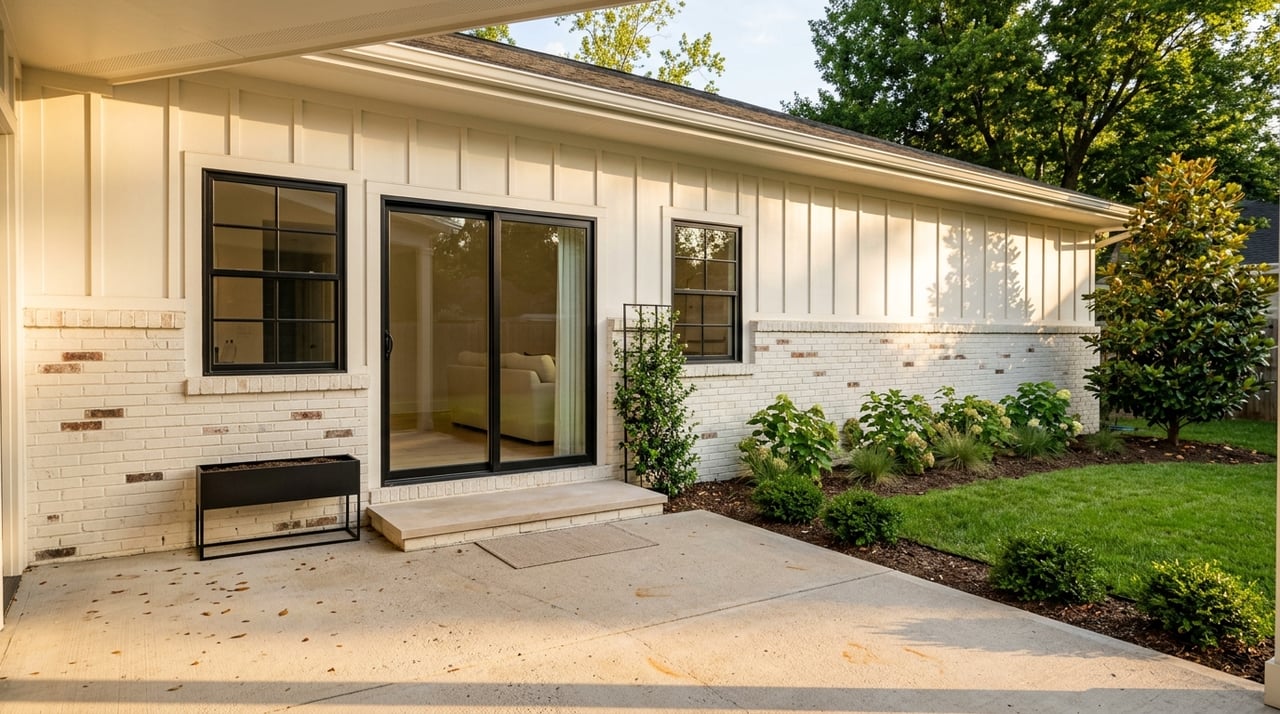
First-Time Home Buying In Fort Valley On A Starter Budget
April 16, 2026
April 16, 2026
Buying your first home on a starter budget can feel like a big leap, especially when you are trying to balance monthly payments, upfront costs, and the kind of home you can realistically afford. If Fort Valley is on your radar, there is good news: this small Middle Georgia market still offers price points that can be more approachable than many nearby areas. In this guide, you will see what starter budgets can buy in Fort Valley, which loan and assistance options may help, and how to build a smart plan before you start touring homes. Let’s dive in.
Fort Valley gives first-time buyers a chance to look at a smaller market with lower home values than Peach County overall. According to the U.S. Census Bureau’s Fort Valley quick facts, the city’s median owner-occupied home value is $116,400, compared with $207,800 across Peach County.
That does not mean every home will fit a starter budget, but it does show why Fort Valley often catches the attention of budget-conscious buyers. The same Census data shows a median gross rent of $830 in Fort Valley, which can make buying feel attractive, even though your monthly ownership costs may still be higher once you factor in taxes, insurance, and maintenance.
Fort Valley can also make sense if you want to stay close to local jobs. The Peach County Development Authority’s largest employers list includes Blue Bird Bus Company, Fort Valley State University, Peach County Schools, Atrium Health Navicent Peach Medical Center, Pratt Industries, and USDA.
Because Fort Valley is a small market, home price data can vary by source. That is normal, and it is one reason buyers should think in ranges instead of chasing one headline number.
For example, Realtor.com’s Fort Valley market search shows a median listing home price of $179,900, while other public snapshots land at different points. The main takeaway is simple: Fort Valley still offers homes across several budget bands, including options under $150,000 and under $200,000.
Inventory is not huge, but there are still entry-level opportunities. Redfin’s current Fort Valley search pages show 20 homes under $150,000, 32 under $200,000, and 43 under $250,000, with many homes spending roughly 61 to 95 days on market.
That slower pace can help first-time buyers. In a market like this, you may have a little more room to compare homes carefully, ask questions, and avoid rushing into a decision.
This is usually the most budget-friendly part of the market, but it often comes with tradeoffs. Based on current examples from Realtor.com’s Fort Valley listings, homes in this range are often older properties with 3 bedrooms, 1 to 2 bathrooms, modest square footage, and sometimes larger lots.
Examples in this range have included a 3-bedroom, 1-bath home with 1,560 square feet on 0.52 acre for $95,000, a 3-bedroom, 2-bath home with 1,610 square feet for $65,000, and a 4-bedroom, 1-bath home with 1,434 square feet for $72,500. If your budget is tight, this range may be where you find the lowest entry point, but you should be prepared to look closely at condition and repair needs.
This range can open up more options while still staying within starter-home territory. Listing examples from Realtor.com show 2- to 4-bedroom homes, smaller footprints, older construction, and some quarter-acre lots.
Recent examples have included a 2-bedroom, 1-bath home with 1,100 square feet for $101,900, a 3-bedroom, 1-bath home with 1,063 square feet for $125,000, and a 4-bedroom, 2.5-bath home with 1,828 square feet for $120,000. For many first-time buyers, this is where Fort Valley starts to feel especially practical.
This price band is where you may start to see more updated homes and some new construction. According to Realtor.com listing examples, buyers in this range can find larger homes, bigger lots, and newer finishes in some cases.
Examples have included a 3-bedroom, 2-bath home with 1,946 square feet on 0.76 acre for $174,000, a new construction 3-bedroom, 2-bath home with 1,136 square feet for $169,900, and another new construction 3-bedroom, 2-bath home with 1,261 square feet for $193,500. If you want a balance between affordability and fewer immediate updates, this range may be worth a close look.
A low down payment can make buying feel more realistic, but it is still important to understand the math. Common first-time-buyer loan options include FHA loans with 3.5 percent down, and conventional options with as little as 3 percent down through programs like HomeReady and Home Possible, as outlined by the Consumer Financial Protection Bureau.
Here is what those down payment percentages look like on common Fort Valley price points:
Those numbers can help you connect home prices to real cash-to-close planning. They also show why many first-time buyers look for assistance programs or gift funds to help bridge the gap.
Your down payment is only part of the upfront picture. Freddie Mac’s guide to upfront homebuying costs notes that buyers may also need to budget for an inspection, appraisal, and government recording fees.
That means a low-down-payment loan does not always equal a low-cash closing. If you are building a starter-budget plan, it is smart to keep a reserve for inspections, lender-required fees, and the small costs that show up between contract and closing day.
FHA loans are popular with first-time buyers because they allow down payments as low as 3.5 percent. The tradeoff is that FHA loans require mortgage insurance, so you will want to compare the monthly payment carefully with other options.
Conventional low-down-payment programs can be another good fit. The CFPB overview of FHA and home loan basics and Freddie Mac guidance note that some borrowers can use gifts, grants, employer assistance, or other eligible sources to help with down payment and closing costs.
If you are an eligible veteran or service member, a VA loan may allow no down payment and no monthly mortgage insurance. A funding fee may apply, but for many qualified buyers, this can be one of the strongest paths to homeownership.
USDA’s Single-Family Housing Guaranteed Loan Program can offer 100 percent financing for eligible rural buyers, subject to income and property eligibility. If you are shopping in outlying Peach County, this may be worth exploring, but you should always verify property eligibility by address through the USDA eligibility resources and local office information.
For many first-time buyers, down payment help can make the difference between waiting and moving forward. In Georgia, the main state-level program to know is Georgia Dream.
Georgia Dream’s standard option is designed for first-time buyers, or buyers who have not owned a home in the past three years. Georgia DCA says participating lenders can pair the program with FHA, USDA-RD, VA, or eligible conventional mortgages, and current guidance shows assistance at 5 percent of the purchase price up to $10,000, with higher amounts available for certain qualifying borrower categories.
One important detail is timing. Georgia DCA also states that homebuyer counseling is required for all Georgia Dream loans, so your timeline should include that step early.
If you do not fit the standard Georgia Dream rules, there may still be other options to explore. Georgia DCA’s Peach Plus program flyer notes that repeat buyers are welcome and lists down payment assistance of 3.5 percent for standard borrowers and 4 percent for PEN or Choice borrowers.
Another option is Peach Advantage, which Georgia DCA says expands access further, is conventional-only, and can provide up to 5 percent assistance for borrowers up to 150 percent of area median income. These are the kinds of programs that can make a starter budget stretch farther when paired with the right loan.
If you want to buy in Fort Valley without overextending yourself, a clear step-by-step plan matters. A practical path looks like this:
That last step is worth remembering. Peach County says eligible Georgia homeowners may receive a homestead exemption for owner-occupied primary residences, including a $2,000 exemption from state, county, and school taxes, with automatic renewal while the property continues to qualify.
Fort Valley may not be a high-volume housing market, but that is part of what makes it worth a look for first-time buyers on a starter budget. You can still find homes across a range of price points, and when you combine local inventory with low-down-payment financing and Georgia assistance programs, homeownership can feel much more reachable.
The key is to plan around the full picture, not just the list price. When you understand what your budget buys, what your upfront costs may be, and which programs fit your situation, you can shop with more confidence and less stress. If you want help building a realistic game plan for Fort Valley or other Middle Georgia communities, connect with Freida Mccullough for local guidance and hands-on support.
Stay up to date on the latest real estate trends.


Join a team that values innovation, collaboration, and growth. Whether you’re a client seeking expert guidance or a professional looking to make an impact, we provide the support, resources, and expertise to help you succeed every step of the way.