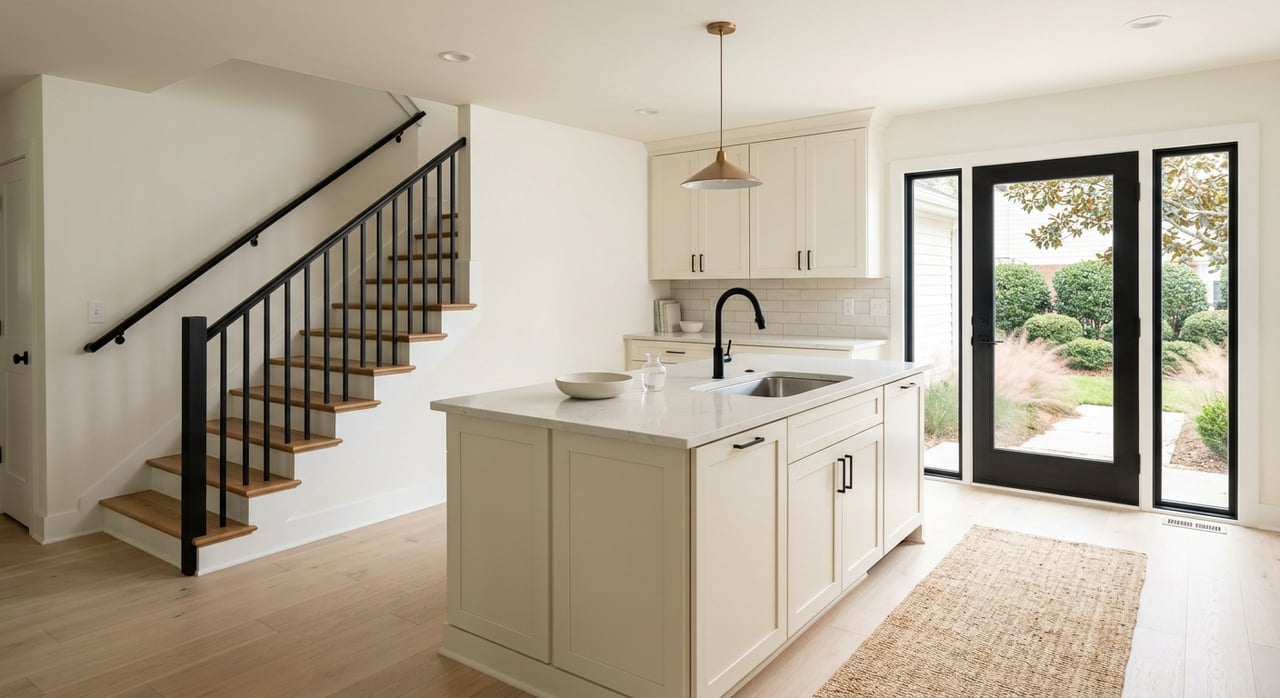
Selling A Home In Perry From Listing To Closing
June 25, 2026
June 25, 2026
If you are getting ready to sell your home in Perry, you probably want one thing most of all: a smooth sale without last-minute surprises. That is a fair goal, especially in a market where homes are moving but buyers are still paying close attention to price, condition, and timing. The good news is that most of the stress points in a Georgia sale can be managed when you know what to expect early. Let’s walk through what selling a home in Perry looks like from listing to closing.
Perry remains active, but it is not a market where you can skip the basics. Recent 2026 snapshots show median days on market ranging from about 58 to 62 days, while one source reports homes going pending in about 31 days. Median pricing also varies by source, with sale and listing figures generally landing in the upper $200,000s to low $300,000s.
For you as a seller, the takeaway is simple. Buyers are out there, but they are watching value closely. A home that is well prepared, clearly presented, and realistically priced has a better chance of moving without unnecessary delays.
A smooth sale in Perry usually starts before your home ever goes live. In Georgia, the early stage is less about a required pre-listing step and more about being ready to answer buyer questions accurately and avoid issues that can come back during negotiations.
Georgia REALTORS materials say sellers answer disclosure questions based on actual knowledge and belief. At the same time, buyers are reminded to inspect the property thoroughly rather than treat seller answers as a warranty. That means your best move is to gather details early so your answers are clear, consistent, and complete.
Before listing, it helps to pull together paperwork that supports your home’s condition and history. This can make buyer questions easier to answer and reduce confusion once you are under contract.
Useful items to gather include:
One detail many sellers miss is the delivery condition of the property. Georgia forms updates note that even in an as-is sale, the property must still be delivered in clean condition unless the contract says otherwise.
That matters because buyers often do a final walk-through before closing. If the home is not in the agreed condition, it can create avoidable tension right before the finish line.
Because Perry is active but price-sensitive, listing strategy matters. This is where many sellers either build momentum or lose it.
If your home hits the market looking polished and priced in line with current buyer expectations, you are more likely to attract serious interest early. If it feels overpriced or unfinished, buyers may hesitate, and that can lead to longer market time and more negotiation pressure later.
Once you accept an offer, the timeline becomes more structured. Georgia Consumer Ed says existing-home contracts typically run about 30 to 90 days from contract to closing.
That means the sale is not done when you sign the contract. It simply enters the next phase, where timing, communication, and follow-through become especially important.
The inspection period is one of the most common places where deals either stay on track or get complicated. Buyers often schedule an independent home inspection quickly so there is time to review findings and decide how to move forward.
An inspection is not the same as an appraisal. If issues come up, a buyer may ask for repairs or credits, and in some cases a lender may require certain repairs before closing can happen.
Not every inspection issue is a major problem, but even smaller items can become negotiation points. This is why good pre-listing preparation matters so much.
If you already know the age of major systems, have service records ready, and can respond quickly, it becomes easier to keep the conversation productive. Delays often happen when documentation is missing or when both sides are trying to sort out basic facts late in the process.
After inspection, appraisal is another key checkpoint. Georgia REALTORS materials note that under certain contract language, if a property does not appraise and the buyer does not seek a price reduction, the buyer may still be required to purchase at the agreed price.
For sellers, the practical lesson is not to ignore the appraisal timeline. Quick communication between the listing side, buyer side, lender, and closing attorney can help prevent confusion when value questions come up.
In Georgia, closing is not just a simple signing appointment. A licensed Georgia attorney must close the real estate transaction or prepare or facilitate the execution of a deed for another party.
That makes the closing attorney a central part of your sale. They are not just handling a final formality. They help move the transaction through one of the most important legal and recording steps.
The last few days before closing often involve more than picking a time to sign. On the financing side, the lender must deliver the Closing Disclosure at least three business days before closing.
Even though that disclosure is mainly associated with the buyer’s loan, the timing still affects the whole transaction. If details need to be corrected late, your closing date can feel much closer than you expected.
Local closing logistics matter too. In Perry, Houston County’s Superior Court Clerk office handles real estate records, including deeds and other real-estate records.
That recording step is important because Georgia real estate transfer tax must be paid before a deed can be recorded. The Georgia Department of Revenue says the tax is calculated at $1 for the first $1,000 of consideration, plus 10 cents for each additional $100, and the seller is liable by default unless the contract shifts that cost to the buyer.
Sellers should also expect routine closing adjustments. Georgia Consumer Ed notes that taxes and utilities are prorated at closing.
If you have questions about local property tax matters, Houston County’s Tax Commissioner also has a Perry office. Houston County notes that ad valorem tax is based on fair market value as of January 1 and assessed at 40% of that value.
In many Perry sales, the biggest delays do not happen because the home sat on the market a few extra days. They usually happen during the handoff points after the contract is signed.
Common trouble spots include:
Most of these issues can be reduced with strong communication and organized paperwork. That is one reason a hands-on, process-focused approach matters so much during a sale.
One final area deserves your attention: fraud prevention. Closing-related scams often appear right before money or signed documents are due.
A safe habit is to verify wiring instructions and document changes through a known phone number, not through a new email thread or text message. If something suddenly changes at the last minute, pause and confirm before acting.
If you want the clearest path from listing to closing, focus on three things early. These are the steps that tend to prevent the most last-minute stress.
Gather records, review the home’s condition honestly, and be ready to answer questions based on your actual knowledge. This creates a cleaner launch and helps reduce surprises later.
Once you are under contract, timing matters. Inspection requests, appraisal questions, and attorney document needs all move faster when you respond quickly.
Do not assume the hardest part is over once the offer is accepted. The final stretch still includes the attorney-led closing, tax and utility prorations, transfer-tax handling, and county recording steps.
Selling a home in Perry can feel like a lot of moving parts, but it becomes much more manageable when you know what happens at each stage. If you are thinking about your next move and want local guidance that keeps the process organized from day one, connect with Freida Mccullough.
Stay up to date on the latest real estate trends.
Join a team that values innovation, collaboration, and growth. Whether you’re a client seeking expert guidance or a professional looking to make an impact, we provide the support, resources, and expertise to help you succeed every step of the way.