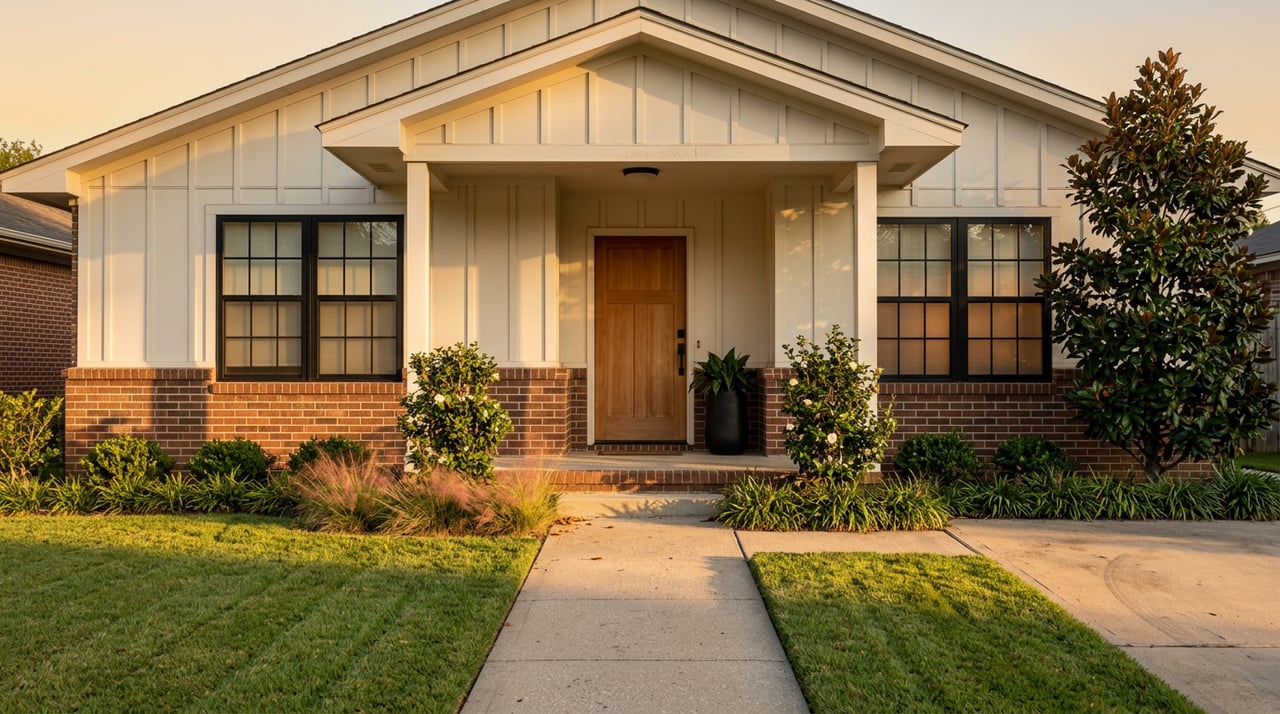
Thinking about listing your Byron home this spring? The right prep can help you sell faster and with fewer surprises. Prepping can feel like a lot, especially if you have a larger lot, a septic system, or an older home. This guide gives you a clear, room-by-room checklist, a realistic 2 to 4 week timeline, and local tips for septic, wells, permits, and disclosures so you can hit the market with confidence. Let’s dive in.
What Byron buyers notice
Byron and greater Peach County offer a mix of older brick ranches, mid-century homes, farmhouses on acreage, and newer subdivisions near major roads. Local buyers focus on practical value over luxury. They want:
- Clean, move-in ready mechanicals with no major inspection surprises.
- Strong curb appeal including a tidy yard, maintained driveway, and working exterior lighting.
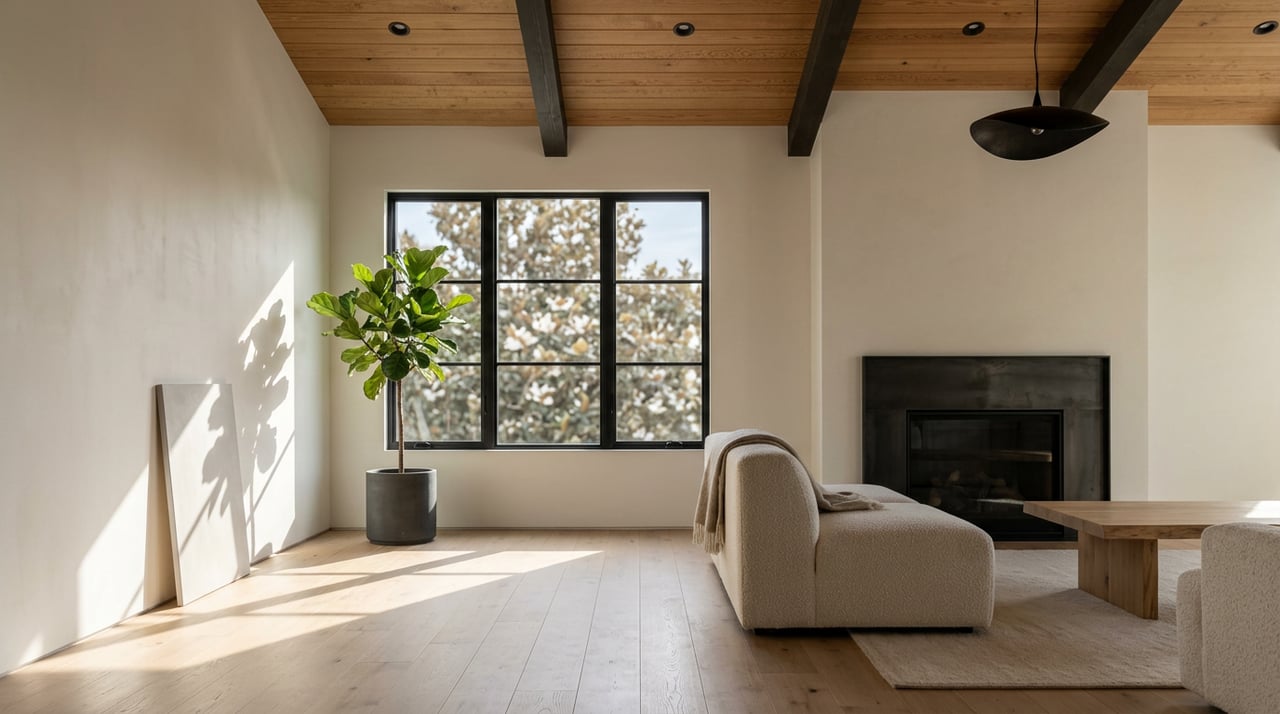
- Neutral, decluttered interiors that feel bright and livable.
- Clear, accurate disclosures, especially for older homes, wells, septic systems, and any unpermitted work.
Room-by-room pre-listing checklist
Use these steps across the whole house, then dial in by area.
Whole-home prep basics
- Declutter and depersonalize to make rooms feel larger and more neutral.
- Deep clean carpets, windows, baseboards, light fixtures, and ceiling fans.
- Repair small defects such as nail holes, loose hardware, burnt-out bulbs, and dripping faucets.
- Paint neutral where needed and touch up scuffs and chips.
- Upgrade lighting to bright, warm daylight bulbs and maximize natural light.
- Gather manuals, warranties, past inspection reports, permits, and utility bills.
- Schedule a pre-listing inspection 1 to 3 weeks before you go live to find and fix issues early.
Exterior and curb appeal
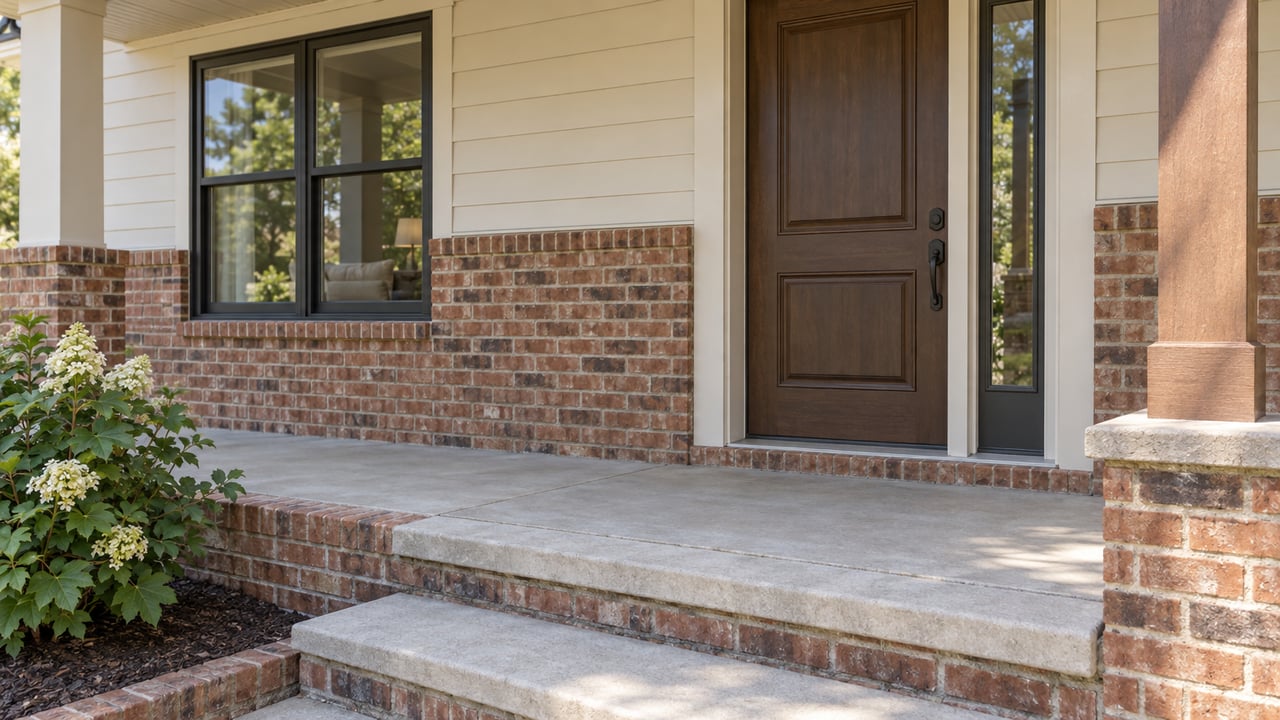
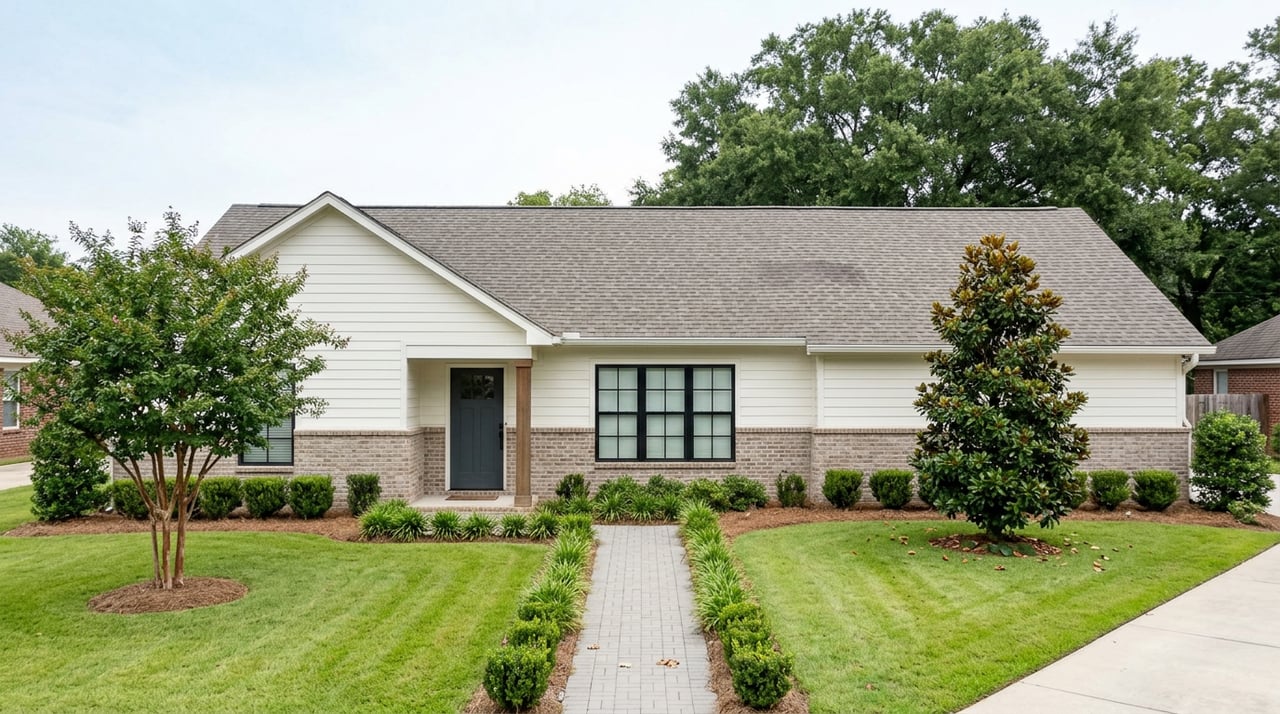
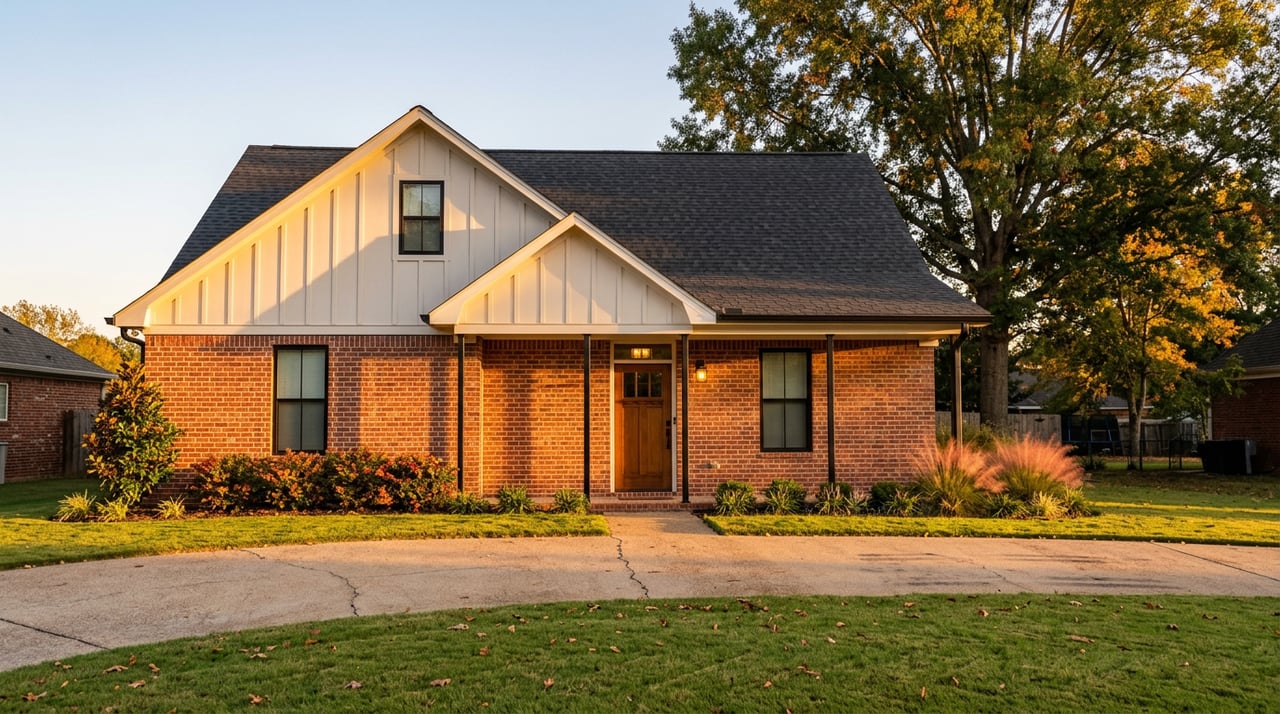
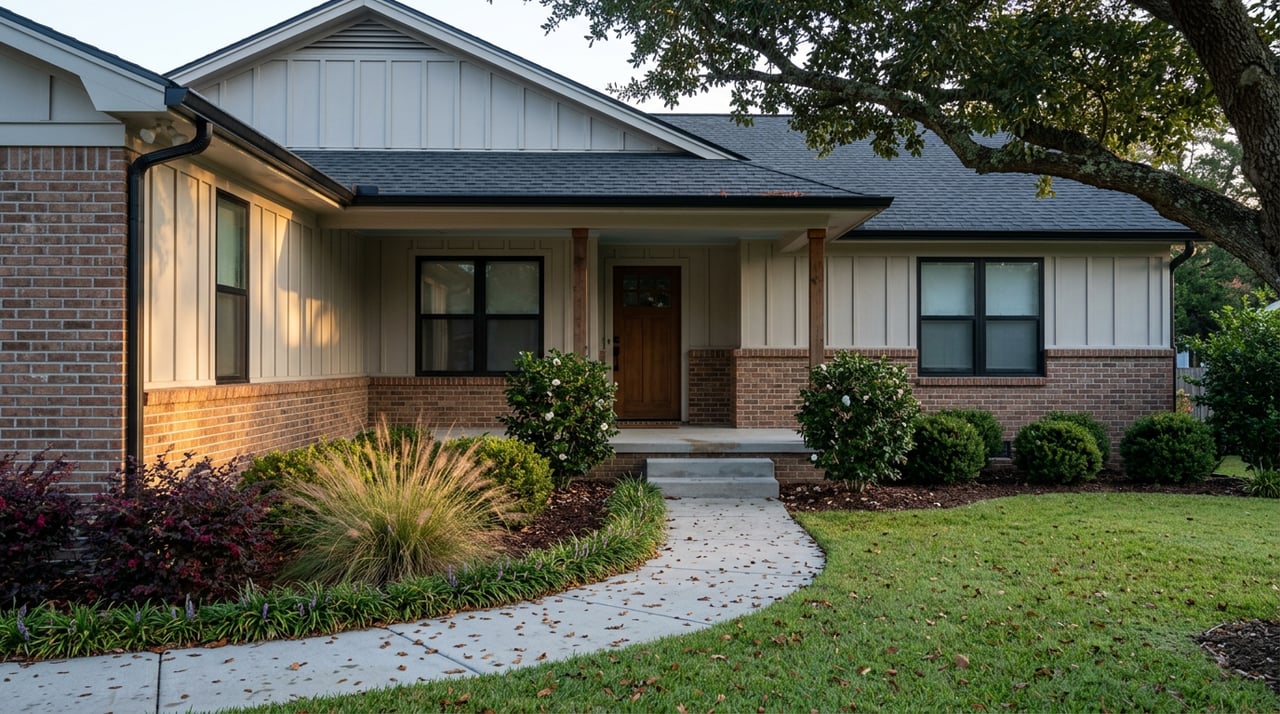
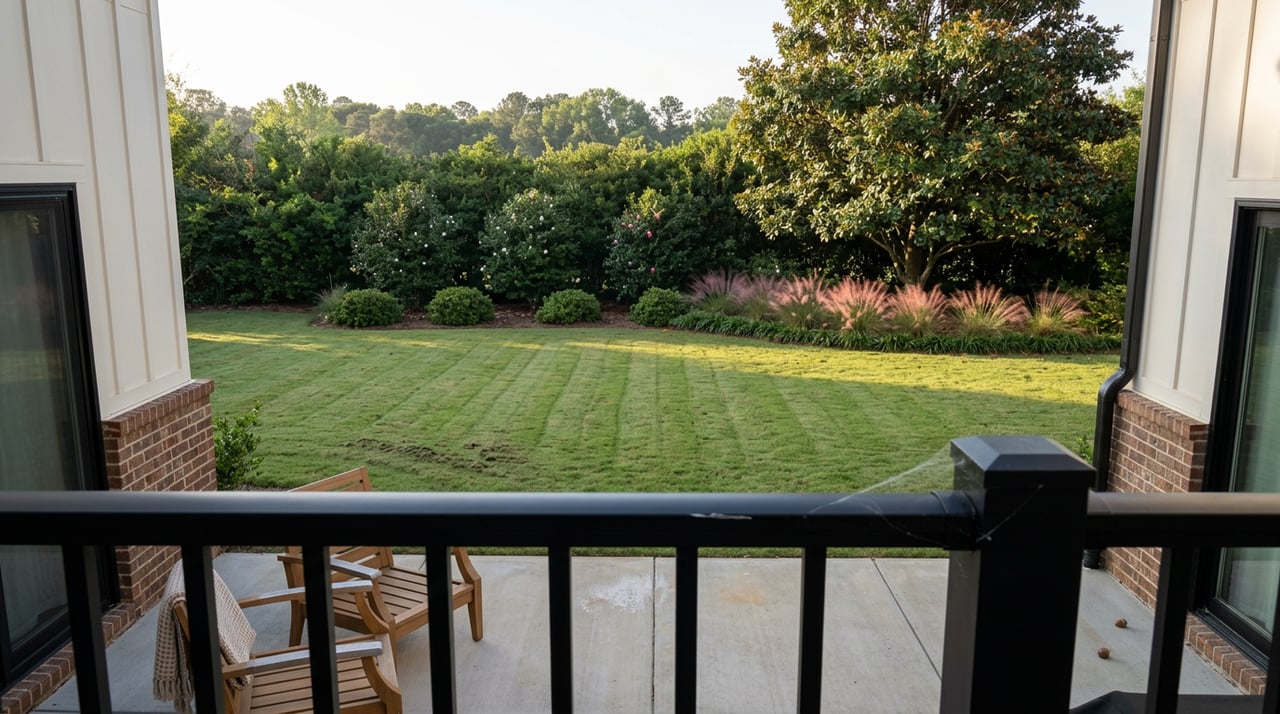
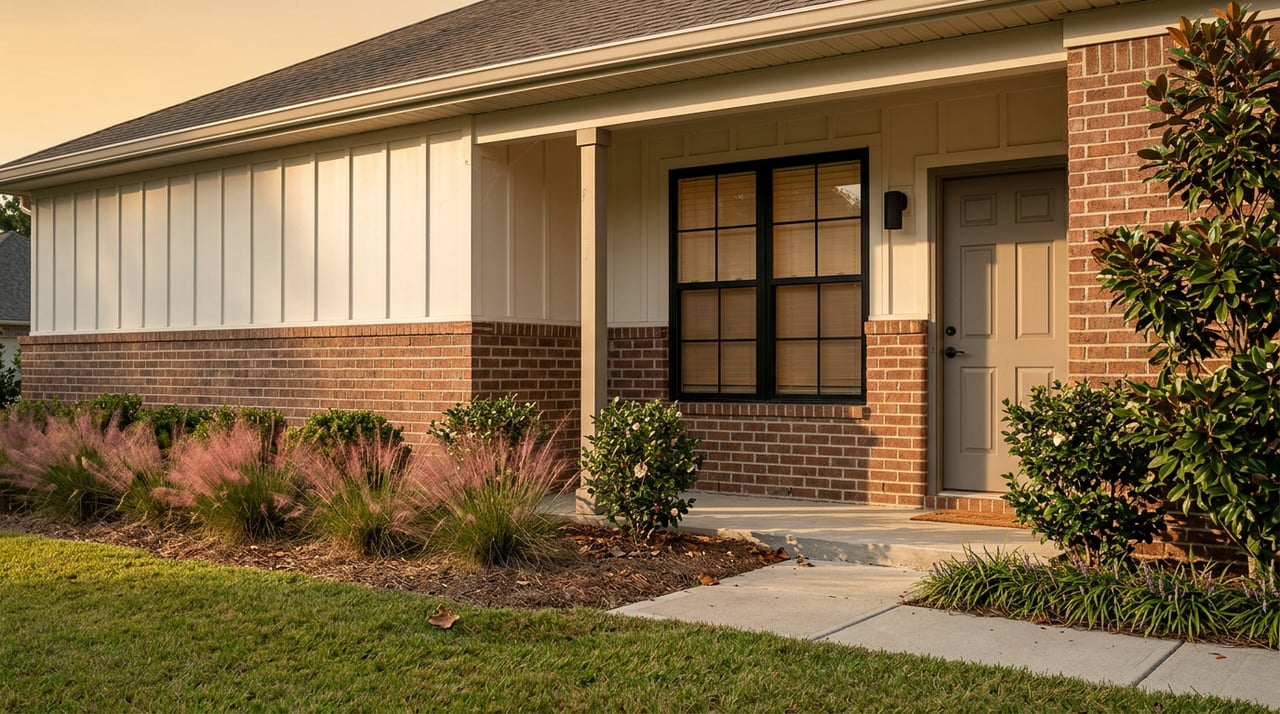
- Lawn and landscaping: mow, edge, weed, trim shrubs away from windows and walks, add fresh mulch and a few seasonal potted plants.
- Driveway and walks: pressure-wash and address oil stains or major cracks.
- Front door and hardware: repaint or stain if worn, replace hardware, add a clean doormat.
- Roof and gutters: clear debris, check for missing shingles or sagging, and repair if needed.
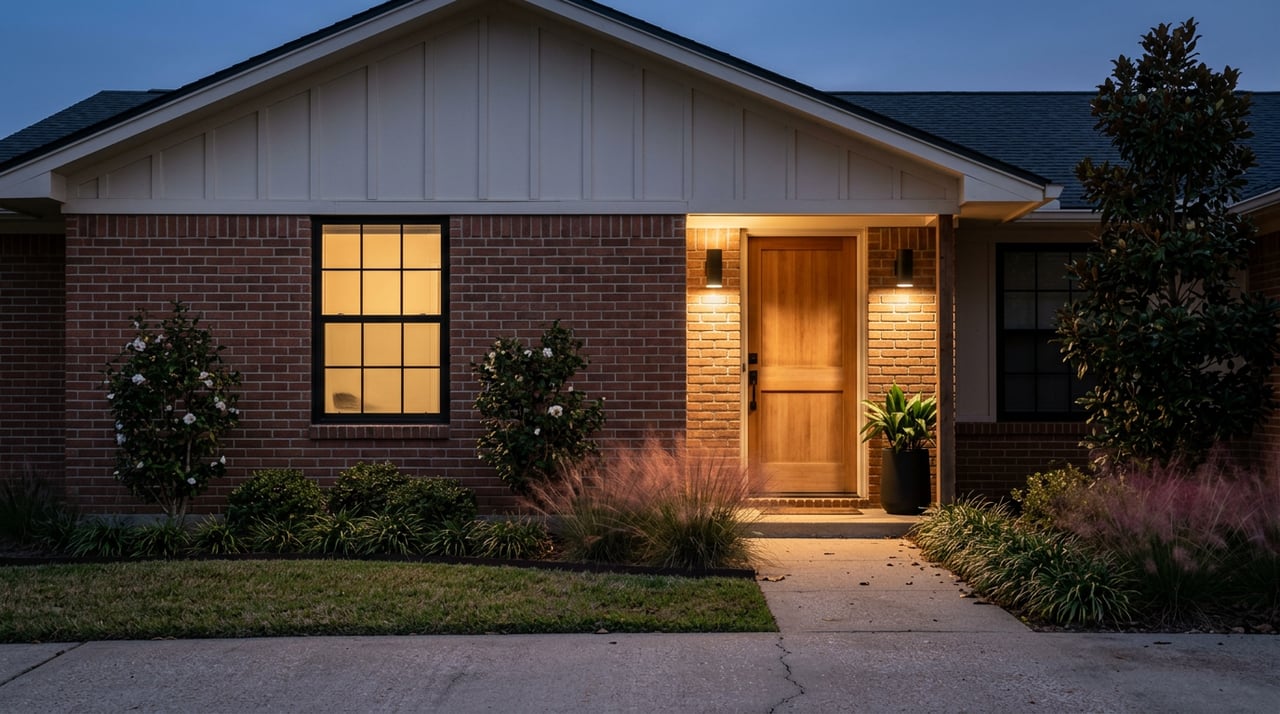
- Porch and lighting: clean furniture, confirm all exterior lights work, and make house numbers easy to read.
- Outbuildings and fences: tidy and secure sheds and gates; be ready to disclose condition.
Entry, living, and dining
- Create an open flow by removing oversized furniture and excess rugs.
- Stage with modest focal pieces and highlight architectural features like a mantel or built-ins.
- Refresh flooring by deep cleaning, refinishing, or replacing heavily stained carpet.
Kitchen
- Clear counters, store small appliances, and leave one or two simple decor items.
- Tighten cabinet hinges and replace dated or damaged hardware.
- Clean appliances inside and out, and service if needed. Keep manuals and warranty info handy.
- Repair caulk and grout at backsplashes and seams for a crisp, clean look.
- Ensure lighting is bright and consistent. Consider under-cabinet lights if areas feel dark.
Bathrooms
- Deep clean grout, tile, and fixtures. Replace caulk around tubs, showers, and sinks.
- Update small items: new towel bars, toilet seats, shower curtains, and brighter vanity lighting.
- Fix running toilets or drips. Consider regrouting or reglazing stained tubs.
- Check that exhaust fans work and polish mirrors to avoid streaks in photos.
Bedrooms
- Remove extra furniture so rooms feel spacious. Keep closets tidy because buyers open them.
- In the primary bedroom, showcase storage, light, and any en-suite features.
- Use neutral, layered bedding and remove personal items.
Basement, attic, and garage
- Basement: dehumidify, clean thoroughly, and address moisture stains or mold. If you see signs of moisture, gather written repair estimates.
- Attic: reduce stored items if possible, show insulation condition, and label HVAC filters and access points.
- Garage: organize storage, sweep floors, and remove excess items so buyers can see the space.
Systems and safety
- HVAC: service the system and replace filters. Keep service receipts.
- Water heater: confirm it works and note the age. If older, consider replacement or get quotes.
- Electrical: test outlets and switches, replace cracked faceplates, and have an electrician evaluate any outdated wiring.
- Smoke and CO detectors: test and replace batteries.
- Pests: if you have signs of termites or rodents, schedule inspection and keep treatment records.
Septic, well, and rural utilities
- Septic: locate the tank, schedule an inspection, and gather pumping history and repair invoices. Local buyers expect clear septic records.
- Well water: test for bacteria and common contaminants if you have a private well. Keep test results available.
- Easements and access: disclose known easements, shared driveways, and HOA documents if applicable.
Older homes, lead, and permits
- Lead-based paint: if your home was built before 1978, prepare the required federal lead paint disclosure and any reports you have.
- Unpermitted work: identify and disclose any improvements completed without permits. Consider after-the-fact permits or repair plans if needed.
Byron listing timeline
Most sellers can get market-ready in 2 to 4 weeks with a focused plan. Here is a simple schedule that keeps you on track.
Day –21 to –14: Early prep
- Order a pre-listing inspection and septic or well tests if applicable.
- Prioritize and schedule repairs for roof, HVAC, and major plumbing or electrical items.
- Contact a staging provider and set consult and delivery dates. If you plan to use a listing specialist, coordinate early to align timelines.
- Obtain contractor quotes and confirm realistic lead times.
Day –14 to –7: Finishing touches
- Complete small repairs, painting, and deep cleaning.
- Declutter, remove personal items, and begin staging empty rooms.
- Replace bulbs with daylight bulbs and test all lighting.
- Finalize disclosures and gather documents like permits, warranties, and manuals.
Day –5 to –2: Photo prep
- Finalize staging placement and complete a last deep clean. Avoid heavy scents.
- Touch up landscaping with fresh mulch and a tidy entry.
- Confirm the photo schedule and check the forecast. Aim for a bright day.
Day –1 to 0: Photo day
- Vacate during photos and remove pets. Turn on all lights and open blinds.
- Clear vehicles from the driveway.
- Complete interior, exterior, and drone shots if acreage or setting will benefit.
- Consider twilight exteriors for extra curb appeal if scheduled.
Day 0: Go live
- Launch the MLS listing with full photo set and a detailed description.
- Start social media and broker distribution. Open showings on a flexible schedule.
First 1 to 2 weeks: Active marketing
- Expect peak showing activity early and keep windows flexible.
- Consider an open house the first weekend if it fits demand and strategy.
- Gather feedback and adjust price, staging, or disclosures if needed.
Smart showings strategy
- Be flexible in the first 7 to 14 days to capture initial demand.
- Leave the home during showings. Keep lights on and do not play background music.
- Remove or secure pets offsite. Service animals are permitted as required by law.
- Store valuables and medications securely. Keep remotes and keys out of sight.
Documents and disclosures in Georgia
- Seller property disclosure: In Georgia, the widely used form from the state association helps you present known defects and material facts. Deliver disclosures early.
- Lead-based paint: Homes built before 1978 require the federal disclosure and the EPA pamphlet for buyers.
- Septic and well: Keep permits, pumping receipts, repair invoices, well logs, and recent water tests.
- Permits: Verify permit history for electrical, structural, roof, and additions. Check with Peach County Building and Zoning or the Health Department for records and requirements.
- Pre-listing inspection: Use it to decide what to fix and what to disclose. Marketing a home as pre-inspected can reduce buyer uncertainty.
Budget and ROI basics
Every property is different, but these ballparks can help you plan. Confirm local quotes before you commit.
- Cosmetic touchups such as paint, hardware, and deep cleaning: low hundreds to a few thousand dollars.
- Minor mechanical fixes such as HVAC tune-ups and plumbing repairs: several hundred to a few thousand.
- Staging consultation and partial staging: about $500 to $3,000 depending on size and scope.
- Major items such as roof, septic replacement, or major electrical: several thousand to tens of thousands. Get multiple bids and discuss net impact.
- Professional photography and marketing add-ons such as drone, floor plans, or virtual tours: typically a few hundred and up.
Why partner with The Mack Team
Selling in Byron works best with a locally informed plan and a steady hand on the details. The Mack Team pairs neighborhood expertise across Middle Georgia with a listing specialist, polished marketing, and a transaction coordinator to keep you on schedule. You benefit from vetted local contractors and stagers, reliable timelines, and an organized process that reduces stress.
If you want a clean, step-by-step path to market-ready, we are here to help you prep, launch, and close with confidence.
Ready to get started and see what your home could sell for this spring? Connect with Freida McCullough to get your free local home valuation and a custom pre-listing plan.
FAQs
How far in advance should Byron sellers start prep?
- Most homes can be market-ready in 2 to 4 weeks. Start earlier if you expect major repairs or need septic and well documentation.
Do I need to pump my septic before selling in Peach County?
- Buyers expect clear records. An inspection and pumping history are often enough. If your system is due for service, pump and document it before listing.
Is a pre-listing inspection worth it for Byron homes?
- Yes. It helps you find issues early, decide what to fix, and present a more confident listing with fewer surprises in buyer inspections.
What should I do if my Byron home has unpermitted work?
- Disclose it. Discuss options with your agent, including after-the-fact permits or repair plans, and be ready with documentation.
What cleaning level is best for listing photos?
- Aim for hotel-level clean. Clear counters, shine fixtures and mirrors, hide cords and trash cans, and turn on all lights for bright, even photos.
What disclosures are required for older Georgia homes?
- Provide the standard seller property disclosure and, for homes built before 1978, the federal lead-based paint disclosure and any reports you have.